
In This Article
ToggleTL;DR
- Teeth restoration covers any clinical procedure that repairs, rebuilds or replaces damaged or missing tooth structure, from simple fillings to dental implants.
- The right treatment depends on how much of the tooth remains, where the damage is located and the condition of the surrounding bone and gum tissue.
- Delaying restorative treatment typically increases complexity and cost: a small cavity that needs a filling can become a tooth that needs a crown or extraction if left untreated.
- Most restorative procedures at a general dental practice are completed in one to three appointments; implants require a longer timeline due to healing phases.
- Good oral hygiene and regular check-ups after restoration are essential to longevity. A restored tooth can still develop new decay if not maintained.
What Is Teeth Restoration and When Do You Need It?
Teeth restoration refers to any treatment that repairs missing, damaged or decayed tooth structure and restores the tooth’s function, strength and appearance. It is one of the most common categories of dental care and one that many patients delay, often because they’re unsure whether they truly need treatment or worried about what it involves.
The straightforward answer is: if a tooth is chipped, cracked, decayed or missing, some form of restoration is usually necessary to prevent the problem from spreading to surrounding teeth and bone. Professional dental restoration today is far less intimidating than it used to be. Modern materials and techniques allow treatment that is comfortable, predictable and long-lasting when properly maintained.
The sections below explain the most common teeth restoration options and what the procedure involves.
What Are the Most Common Teeth Restoration Treatments?
At Dental On First, Dr. Taylor Majerus and Dr. David Tycast recommend different tooth restoration options based on how extensive the damage is and how much of the natural tooth can still be preserved. The most common treatments include:
Fillings
When decay is caught early and affects only a portion of the tooth, a filling is the most appropriate response. The decayed material is removed, and the cavity is filled with composite resin (tooth-colored), amalgam or another material. A filling preserves the maximum amount of natural tooth structure and is typically completed in a single appointment. It is also the most affordable restorative option.
However, fillings may not work if the decay has reached the tooth nerve or if too much of the tooth has broken down to properly hold the filling in place.
Tooth-Colored Fillings and Composite Bonding
For minor chips, small gaps, worn edges or surface-level cosmetic damage, composite bonding can often restore the tooth without extensive preparation. Tooth-colored resin is applied directly to the tooth, shaped and polished during a single visit.
This tooth repair option preserves more natural tooth structure than a crown and is usually more affordable. However, bonding material is generally less durable than porcelain and may stain or chip over time, particularly on front teeth exposed to heavy biting forces.
Dental Crowns
When a tooth is cracked, significantly decayed, weakened after a root canal or broken in a way that a filling cannot adequately address, a dental crown (a tooth-shaped cap placed over the entire visible portion of the tooth) is the standard solution to repair damaged tooth structure.
Crowns cover and strengthen damaged teeth so they can function normally again. Treatment usually takes two visits: one to prepare the tooth and place a temporary crown, and another to fit the final crown once it has been made in the dental lab.
Dental Bridges
A dental bridge is a fixed option used to replace one or more missing teeth in a row. The restoration is supported by crowns placed on the healthy teeth adjacent to the gap, with an artificial tooth suspended between them.
Bridges restore tooth function and prevent the surrounding teeth from shifting into the empty space, which often happens due to untreated tooth loss. Because they do not require surgery, bridges are often suitable for patients who may not be ideal candidates for dental implants.
Dental Implants
A dental implant replaces a missing tooth from the root up using a titanium post placed in the jawbone and topped with a custom crown. Implants are durable, stable and help preserve the surrounding bone without relying on neighboring teeth for support.
The trade-off is a longer treatment timeline, typically three to six months from placement to final crown, and a higher upfront cost compared to a bridge.
What Does a Tooth Restoration Procedure Involve?
While each treatment differs in detail, most tooth restoration procedures at a general dental practice follow a consistent pattern. Understanding what to expect can make a significant difference for patients who feel anxious about treatment.
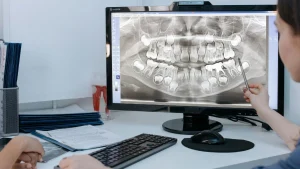
- Examination and diagnosis: The dentist examines the tooth clinically and takes X-rays to assess the extent of the damage, the condition of the root and the health of the surrounding bone. This step determines which treatment is appropriate.
- Treatment planning: For straightforward cases like fillings, treatment proceeds at the same or next appointment. For more complex cases involving crowns, bridges or implants, the dentist explains the expected timeline and material options.
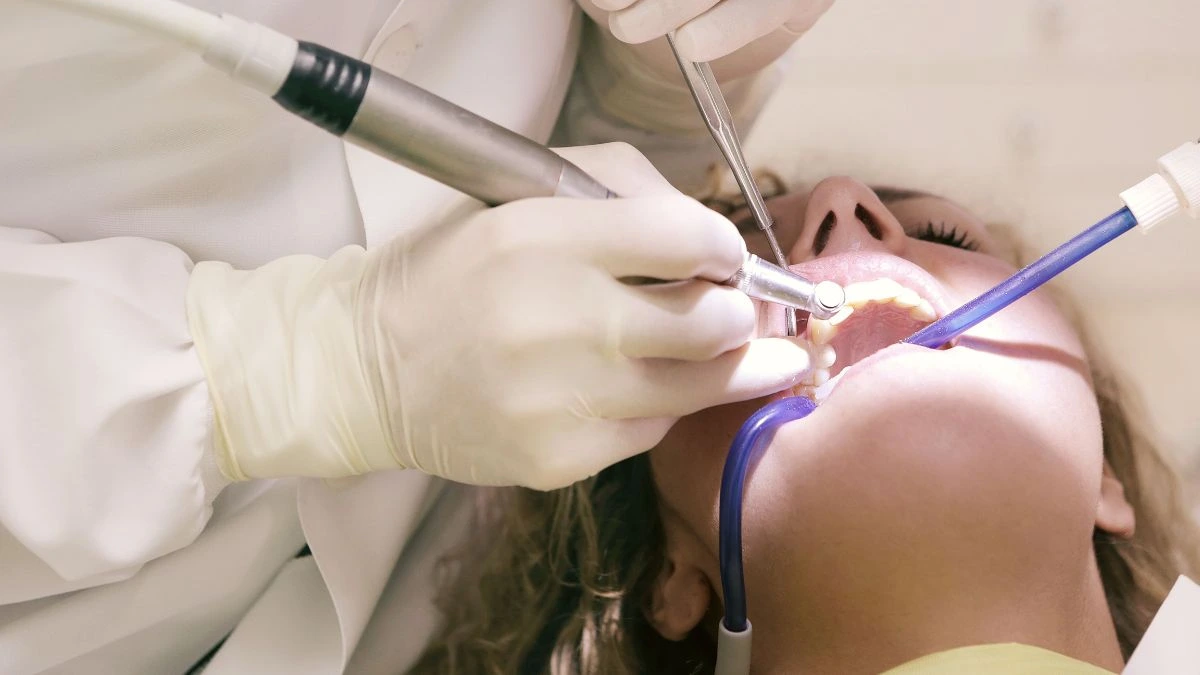
- Preparation: Depending on the treatment, this may involve removing decay, shaping the tooth for a crown, extracting a failing tooth before implant placement or lightly etching the surface for composite bonding.
- Restoration placement: Fillings and bonding are usually completed in one visit. Crowns and bridges are typically made in a dental lab over one to two weeks, so a temporary restoration is placed in the meantime. Dental implants also require time for healing before the final crown is attached.
- Bite adjustment and follow-up: Once the restoration is placed, the dentist checks your bite and makes small adjustments if needed. In some cases, a follow-up visit may be scheduled to make sure everything is okay.
How Do You Make a Dental Restoration Last?
At our dental practice in New Prague, we encourage patients to maintain good oral hygiene habits to help restorations last as long as possible. A few simple steps can make a significant difference:
- Brush twice daily with fluoride toothpaste and floss once a day, paying attention to the margins where the restoration meets the natural tooth. This junction is where new decay most often begins.
- Avoid biting directly into very hard foods (ice, hard candy, popcorn kernels) with restored front teeth, and use caution with crowns and bridges in general.
- Wear a night guard if you grind your teeth during sleep, as grinding can wear down restorations over time.
- Visit your dentist every six months so small problems can be spotted and treated early before they become more serious.
- Report sensitivity, changes in bite or looseness promptly. Catching a failing restoration early usually avoids more invasive and expensive retreatment.
The Sooner You Address Dental Damage, the More Options You’ll Have
The most important thing to understand about teeth restoration is that your choices generally narrow as damage progresses. A tooth that can be saved with a filling today may need a crown next year if decay reaches deeper layers and may require extraction and implant placement if the root becomes involved. Acting early keeps your options open and typically keeps treatment simpler.
At Dental On First, we serve patients from New Prague and the surrounding communities. If you have a tooth that’s been bothering you, or one you’ve been putting off getting looked at, schedule a consultation to find out exactly what your situation calls for.
For high-quality dental restoration in New Prague, MN, visit us at 136 Main St. West, New Prague, MN 56071. You can call 952-758-3003 or email office@dentalonfirst.com to schedule a consultation.
Frequently Asked Questions
The lifespan of a restoration depends on the type of treatment and how well it is maintained. Composite fillings often last 5 to 10 years, crowns commonly last 10 to 15 years, and dental implants can last decades with good oral hygiene and regular dental care.
Not always. If decay or fracture extends too far below the gumline or into the root, the tooth may no longer be structurally restorable. In these cases, extraction followed by a bridge or implant may be recommended after a clinical exam and X-rays.
The right treatment depends on factors such as how much tooth structure remains, whether the tooth nerve is affected and the condition of the surrounding bone and gums. A dental exam and X-rays help determine the most appropriate option for your specific situation.
Most restorative procedures are performed under local anesthesia, so patients usually feel pressure rather than pain during treatment. Mild sensitivity afterward is common and typically improves within a few days to two weeks.