
TL;DR
- A dental implant replaces a missing tooth from the jawbone upward, helping maintain bone support, tooth position and normal chewing.
- Implants may be placed directly in the jawbone (endosteal), on top of the bone under the gums (subperiosteal) or anchored in the cheekbone for severe upper jaw bone loss (zygomatic).
- Implants can replace a single tooth, support a fixed bridge for several missing teeth or restore a full upper or lower arch.
- Full-arch systems such as All-on-4 and All-on-6 use four or six implants to support an entire set of teeth.
- Most dental implants are made from titanium or zirconia, chosen based on strength, appearance and individual needs.
- The process includes evaluation, implant placement, healing as the bone bonds to the implant and final attachment of the crown or denture.
- Proper brushing, flossing, routine dental visits and avoiding hard chewing or smoking help implants remain healthy long-term.
What is a Dental Implant?
When a tooth is missing, the problem is not limited to appearance. The surrounding bone can begin to shrink, nearby teeth may shift and chewing can become uneven over time. Dental implants can address these issues at their root.
Instead of sitting on the gums or relying on neighboring teeth for support, an implant replaces the tooth from the jawbone upward. This makes it one of the most stable and long-lasting tooth replacement options available today. Clinical studies show implant success rates of over 95 percent when placed under the right conditions and properly cared for.
That said, dental implants are not a one-size-fits-all solution. The type of dental implant recommended depends on several factors, including bone quality, the number of teeth being replaced and oral needs. Let’s dig deeper.
Types of Dental Implants Based on Placement
This classification looks at where the implant sits in relation to the jawbone:
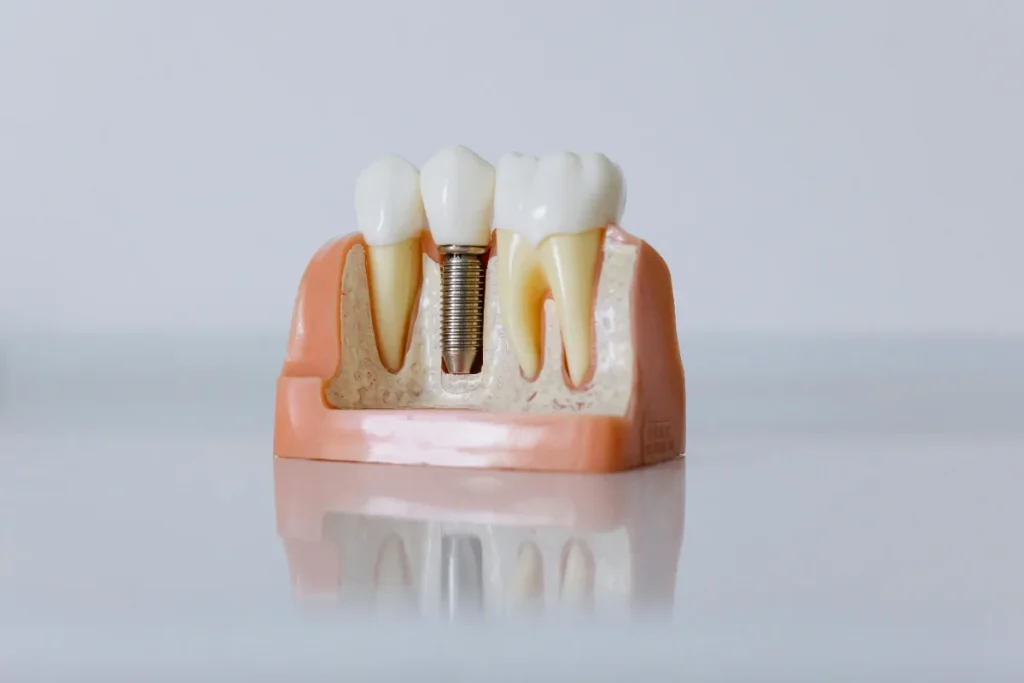
- Endosteal Implants: These are placed directly into the jawbone and are the most commonly used type. They work well when there is enough healthy bone to support the implant and provide strong, long-term stability.
- Subperiosteal Implants: These sit on top of the jawbone but underneath the gum tissue. They may be considered when bone height is limited and bone grafting is not suitable, although they are used far less often today.
- Zygomatic implants: These are anchored in the cheekbone (zygoma) instead of the upper jaw. They are longer than traditional implants and are used for patients with severe bone loss in the upper jaw, avoiding the need for extensive bone grafting.
Types of Dental Implants Based on the Number of Teeth Replaced
Not every missing tooth needs its own implant. The approach depends on how many teeth need support:
- Single Tooth Implants: Used to replace one missing tooth without affecting neighboring teeth. A crown is attached to the implant, restoring both appearance and function.
- Implant-Supported Bridges: Suitable when several teeth in a row are missing. Instead of replacing every tooth with an implant, two or more implants support a fixed bridge.
- Full-Arch Dental Implants: They replace all teeth in the upper or lower jaw. These offer a stable alternative to traditional dentures and help improve chewing ability.
Types of Dental Implants Based on Implant Systems
Some treatments specifically support a full set of teeth using fewer implants:
- All-on-4 Implants: Four implants are positioned carefully to support a complete arch. This method often avoids bone grafting and allows faster restoration.
- All-on-6 Implants: Six implants are used for added strength and balance. This option is helpful when extra support is needed for chewing forces.
Types of Dental Implants Based on Material
Here are the main types of dental implant materials:
- Titanium Implants: These have a long track record and integrate well with bone. They are strong, reliable and widely used.
- Zirconia Implants: These are ceramic and metal-free. Their white color can be helpful in visible areas, and they suit patients looking for a non-metal option.
What to Expect During the Dental Implant Process?
At Dental on First in New Prague, MN, we guide every patient through the dental implant journey with care and expertise. Here’s what you can expect step by step.
- Consultation and Assessment: Your first visit includes a detailed evaluation of your oral health. We take X-rays or 3D scans to understand your jawbone structure, identify the best implant options and plan the procedure precisely.
- Treatment Planning: We discuss your goals, timeline and any additional procedures you may need, such as bone grafting.
- Implant Placement: The implant post is carefully inserted into your jawbone under local anesthesia. You may feel slight pressure, but the process is generally painless. We provide clear instructions to help you manage any mild discomfort afterward.
- Healing and Osseointegration: Over the next 3 to 6 months, the implant fuses with your bone in a process called osseointegration. This creates a stable foundation for your replacement tooth or teeth. Temporary restorations may be placed during this time so you can eat and speak normally.
- Final Restoration: Once the implant has fully integrated, a custom crown, bridge or denture is attached. We ensure the fit, bite and appearance are just right, so your new teeth feel natural and look great.
- Follow-up and Maintenance: We schedule follow-up visits to monitor healing and implant health. With proper care, daily brushing and regular check-ups, implants can last 15 to 25 years or more.
How to Maintain Dental Implants?
Here are some tips from our experts at Dental on First to help you keep your implants healthy and long-lasting:
- Brush and floss around your implants every day, just like your natural teeth.
- Use interdental brushes or a water flosser to reach areas that regular brushing can miss.
- Visit your dentist regularly for checkups and professional cleaning.
- Avoid chewing hard objects and smoking, which can harm your implants.
- Pay attention to any swelling, discomfort or loosening and contact your dentist promptly.
- Maintain overall oral health with good hygiene and a balanced diet to support gums and bone.

Key Takeaway
Dental implants are more than a way to fill a gap. They help protect your jawbone, keep nearby teeth stable and restore the way you eat and speak. With different types of dental implants, materials and treatment approaches available, the right solution depends on your bone health, lifestyle and long-term goals. When planned carefully, implants can feel natural and stay strong for many years.
At Dental on First, our team takes the time to explain your options and plan treatment around your needs to ensure the best possible results. If you’re looking for a trusted dentist in New Prague, MN, schedule a consultation with us today:
Call: 9527583003
Email: office@dentalonfirst.com
Location: 136 Main St W, New Prague, MN 56071
FAQs
Yes. The final crown is custom-made to match your natural teeth in shape and color. Once it’s in place, most people can’t tell the difference.
Most adults with good overall oral health can be considered for dental implants. Bone quality, gum health and medical history all play a role. A clinical examination and imaging are necessary to determine suitability.
Dental implants do not require special care. Brushing, flossing and routine dental check-ups are essential to keep the implant and surrounding gums healthy.
No. Many patients have enough bone for implant placement. Bone grafting is only recommended when the bone is not strong or thick enough to support an implant safely.
While dental implants are highly successful, healing is influenced by habits like smoking, daily oral care and overall health. Routine follow-ups allow your dentist to monitor progress and address concerns early.